Best Emergency Light for Power Cut UK: What Really Works
Last updated: 21 October 2026
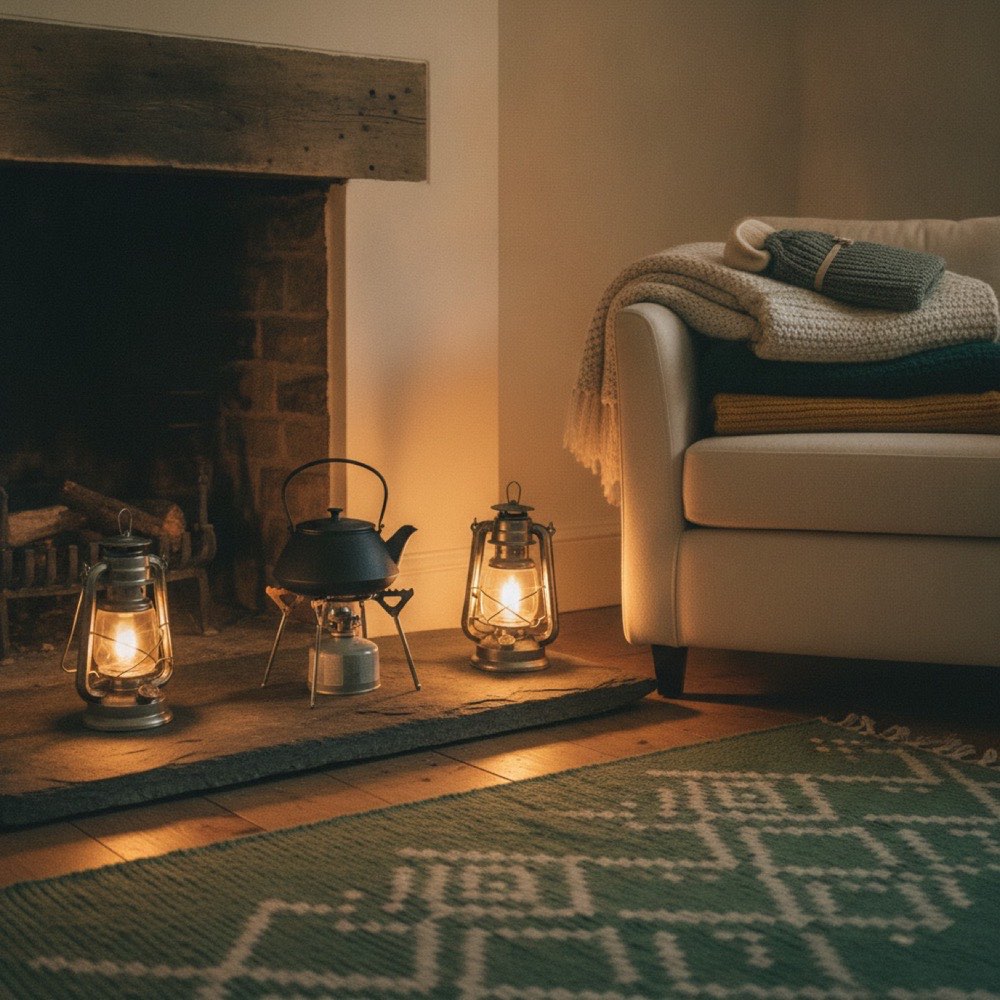
When the power goes off, the difference between a calm evening and a stressful one usually comes down to lighting. This guide compares every type of emergency light that makes sense for a UK home: rechargeable lanterns, head torches, battery lanterns and plug-in lights that switch themselves on the moment the mains fails. Every product here was checked against its current amazon.co.uk listing and, where possible, the manufacturer's own specification sheet, because run time claims in this category vary from honest to optimistic.
| Pick | Model | Why | |
|---|---|---|---|
| Best overall emergency light | Ledlenser ML6 Rechargeable LED Lantern | One charge covers a long weekend of evening outages at sensible brightness. The hook and magnet let it light a kitchen ceiling or stick to a boiler casing, and the low modes stretch the battery across multiple evenings rather than one bright night. | Check price |
| Best head torch for power cuts | Petzl Actik Core Head Torch | A head torch keeps both hands available for the jobs a power cut actually involves: finding the consumer unit, cooking on a camping stove, settling children. The hybrid design is the clever part, because when the rechargeable pack runs down you can drop in ordinary AAA batteries and keep going. | Check price |
| Best for living rooms and long evenings | Olight Olantern Classic 2 Pro | Power cuts in the UK cluster in winter evenings, and a cold white torch beam makes a dark house feel worse. The Classic 2 Pro gives a warm, dimmable glow closer to a table lamp than a work light, and it can top up a phone so you stay reachable and informed. | Check price |
What is the best emergency light for a power cut in the UK?
There is no single best light, because a power cut asks three different lighting questions at once. You need light that finds you in the first thirty seconds of darkness, light that moves with you around the house, and light that settles into a room for the hours that follow.
- Instant light: plug-in lights that switch on automatically when the mains fails, so you are never fumbling in the dark.
- Moving light: a head torch or hand torch for tasks, stairs and checking the fuse box.
- Room light: a lantern, rechargeable or battery powered, that lights a kitchen table or living room for a whole evening.
The strongest home setup layers all three, and none of them involves a naked flame. London Fire Brigade lists candles among the most common causes of house fires and recommends flameless LED alternatives precisely because they can be left unattended and cannot be knocked over. In a power cut, with children, pets and unfamiliar darkness in the mix, battery and rechargeable lighting is the safe default.
How we chose these emergency lights
Every recommendation on this page was checked against its live amazon.co.uk listing, and run time figures were traced back to the manufacturer's published specification wherever one exists. We prioritised four things in the research: honest run time at usable brightness rather than headline lumens, a second power option where possible, build quality from established lighting brands, and genuine usefulness across a multi-day outage rather than a twenty-minute blip. Specification claims from unbranded listings were treated with caution, because inflated lumen and run time figures are common at the cheap end of this category.
The three picks in detail
Ledlenser ML6: the lantern to build a plan around
Ledlenser's listing quotes up to 200 hours of light at the lowest setting from a single charge, and up to 750 lumens when you need the kitchen lit like daylight. The practical sweet spot sits in the middle modes, where one charge comfortably covers several evenings. The rubber hook hangs it from a curtain pole, the magnet fixes it to a radiator or boiler, and the USB powerbank output buys your phone some margin. Check price on Amazon
Petzl Actik Core: light where your eyes go
Petzl's hybrid battery system is the reason this is the head torch to own for emergencies rather than a cheaper single-source design. The included CORE pack recharges over USB, and if a long outage outlasts it, three AAA cells from the kitchen drawer keep it running. The red mode preserves night vision when you are moving between dark rooms. Check price on Amazon
Olight Olantern Classic 2 Pro: the one you will actually enjoy using
Dimmable warm light matters more than it sounds. A power cut evening with a harsh white lantern feels like a breakdown; with warm, lamp-like light it feels close to normal, which matters if you have anxious children or elderly relatives in the house. USB-C charging means one cable serves the lantern and most modern phones, and the powerbank function returns some charge to a phone in need. Check price on Amazon
Plug in emergency lights that come on when the power fails
The most underrated item in this whole category costs little and solves the worst moment of any power cut: the first one, in total darkness, on the stairs. Plug-in emergency lights sit in a socket, keep their small internal battery topped up from the mains, and switch themselves on the instant the supply fails. Most double as a removable torch, so the light that finds you also walks with you to wherever your main lantern lives.
Brands such as Auraglow make versions with motion sensing and a detachable handheld beam, and the sensible approach is one per floor: hallway, landing, and anywhere with stairs. They sit at the inexpensive end of the market, so treat them as the supporting layer around a proper lantern rather than the whole plan. When you compare listings, look for a stated battery capacity and an automatic power-fail mode, not just a motion sensor, because some cheaper night lights only respond to movement and stay dark when the mains drops.
Emergency light run times: reading the claims properly
Almost every lantern advertises its run time at the lowest brightness and its lumens at the highest, and the two never happen at the same time. The Ledlenser ML6 claim of up to 200 hours applies to a low setting suited to background light, not to the full 750 lumen output, which drains the battery in a few hours. That is not dishonest, but it catches people out.
A realistic planning figure for any quality lantern is one to three full evenings of comfortable room light per charge or battery set. For anything longer, you want either spare disposable batteries, covered in our guide to battery powered lights for power cuts, or a way to recharge, covered in our guide to the best rechargeable lanterns for power cuts. A wind-up torch adds a last-resort layer that never runs flat, and we assess those honestly in our best wind up torch guide.
Why torches beat candles in a power cut
Candles feel traditional in a blackout and they are the single worst choice you can make. Fire services attend house fires started by candles every week of the year, and a power cut multiplies the risk: unfamiliar darkness, candles left burning in empty rooms, children and pets moving around, and no lit escape route if something catches. London Fire Brigade's safety guidance is blunt about it and points people to flameless LED candles if they want the glow without the flame.
One more safety line while we are here: never bring fuel-burning lanterns, camping gas lamps or barbecues indoors for light or heat during a power cut. Burning any fuel in an enclosed space produces carbon monoxide, and if any fuel-burning appliance is used anywhere in your home you should have a carbon monoxide alarm certified to BS EN 50291, the British standard for domestic CO alarms. Our guide to heating a room without electricity covers the safe and unsafe options in detail.
Where to put emergency lights around the house
Placement decides how useful your kit is at 9pm in the dark. A sensible UK household layout looks like this:
- Hallway and landing: a plug-in auto light in a socket on each floor.
- Kitchen: your main lantern, charged, in a fixed drawer everyone knows.
- Each bedroom: a small torch or push light within reach of the bed.
- By the consumer unit: a head torch on a hook, because checking trip switches is the first job of every power cut.
GOV.UK's preparedness campaign recommends keeping a torch where you can find it in the dark and checking it periodically, and the one-location rule is what makes that real: lights that live in a fixed place get found, lights that float around the house do not. A full checklist of what to keep alongside your lighting lives in our emergency kit list for UK homes, and the wider plan for heat, cooking and light sits in our pillar guide to keeping warm, fed and lit without mains power.
The picks in detail
Best overall emergency light: Ledlenser ML6 Rechargeable LED Lantern
Up to 750 lumens, rechargeable lithium battery, up to 200 hours on the lowest setting per the listing, rubber hook and magnetic base, powerbank function
One charge covers a long weekend of evening outages at sensible brightness. The hook and magnet let it light a kitchen ceiling or stick to a boiler casing, and the low modes stretch the battery across multiple evenings rather than one bright night.
Worth knowing: It is a premium price for a lantern. Like all rechargeable lights it is only as good as its last charge, so put a recharge reminder in your calendar every couple of months.
Best head torch for power cuts: Petzl Actik Core Head Torch
Up to 450 lumens, CORE 1250mAh rechargeable battery included, also runs on three standard AAA cells, IPX4 water resistance, red light mode
A head torch keeps both hands available for the jobs a power cut actually involves: finding the consumer unit, cooking on a camping stove, settling children. The hybrid design is the clever part, because when the rechargeable pack runs down you can drop in ordinary AAA batteries and keep going.
Worth knowing: One head torch helps one person. For a family, pair it with a lantern that lights the whole room.
Best for living rooms and long evenings: Olight Olantern Classic 2 Pro
300 lumens, warm white and orange light modes, stepless dimming, USB-C charging, doubles as a powerbank for phones
Power cuts in the UK cluster in winter evenings, and a cold white torch beam makes a dark house feel worse. The Classic 2 Pro gives a warm, dimmable glow closer to a table lamp than a work light, and it can top up a phone so you stay reachable and informed.
Worth knowing: 300 lumens is a comfortable room light, not a floodlight. Choose the Ledlenser above if maximum output matters more than ambience.
Your questions, answered
What is the best emergency light for a power cut in the UK?
For most UK homes the strongest single buy is a quality rechargeable lantern such as the Ledlenser ML6, backed up by plug-in auto lights in hallway sockets and a head torch for tasks. The lantern covers whole-room light for several evenings, the plug-ins solve the first dark minute, and the head torch handles stairs, fuse boxes and cooking.
Are plug-in emergency lights worth it for power cuts?
Yes, as a supporting layer. They switch on automatically the moment the mains fails, which removes the dangerous fumble-in-the-dark stage entirely. Check the listing states a power-fail mode and not just a motion sensor, because some night lights stay dark when the supply drops.
How long do emergency lanterns last in a power cut?
Quoted maximums such as 200 hours apply to the dimmest setting. At a comfortable room brightness, expect one to three evenings from a quality lantern per charge or battery set. Plan for longer outages with spare disposable batteries or a second charged lantern.
Should I use candles during a power cut?
Fire services advise against it. Candles are a leading cause of house fires, and the risk rises in a blackout with people moving through unfamiliar darkness. London Fire Brigade recommends flameless LED candles if you want candlelight, and battery or rechargeable lanterns for actual lighting.
Is a rechargeable or battery powered emergency light better?
Both, ideally. Rechargeable lanterns give the best light quality and never need battery stock, but they can be caught flat. Battery lanterns with a shelf of spare D or AA cells are slower to catch you out. A layered kit uses a rechargeable lantern as the primary light and a battery lantern as the reserve.
Can I use a camping gas lantern indoors during a power cut?
No. Fuel-burning lanterns produce carbon monoxide and are for outdoor use. Keep indoor lighting electric, and if your home uses any fuel-burning appliance, fit a carbon monoxide alarm certified to BS EN 50291.
Sources
- London Fire Brigade: candle safety at home
- GOV.UK Prepare: power cuts
- Citizens Advice: prepare for a power cut
- Gas Safe Register: carbon monoxide alarms and BS EN 50291
- Ledlenser ML6 listing (specification source)
- Petzl Actik Core listing (specification source)
- Olight Olantern Classic 2 Pro listing (specification source)