Off Grid Heating Options UK: Stoves, LPG and Diesel
Last updated: 21 October 2026
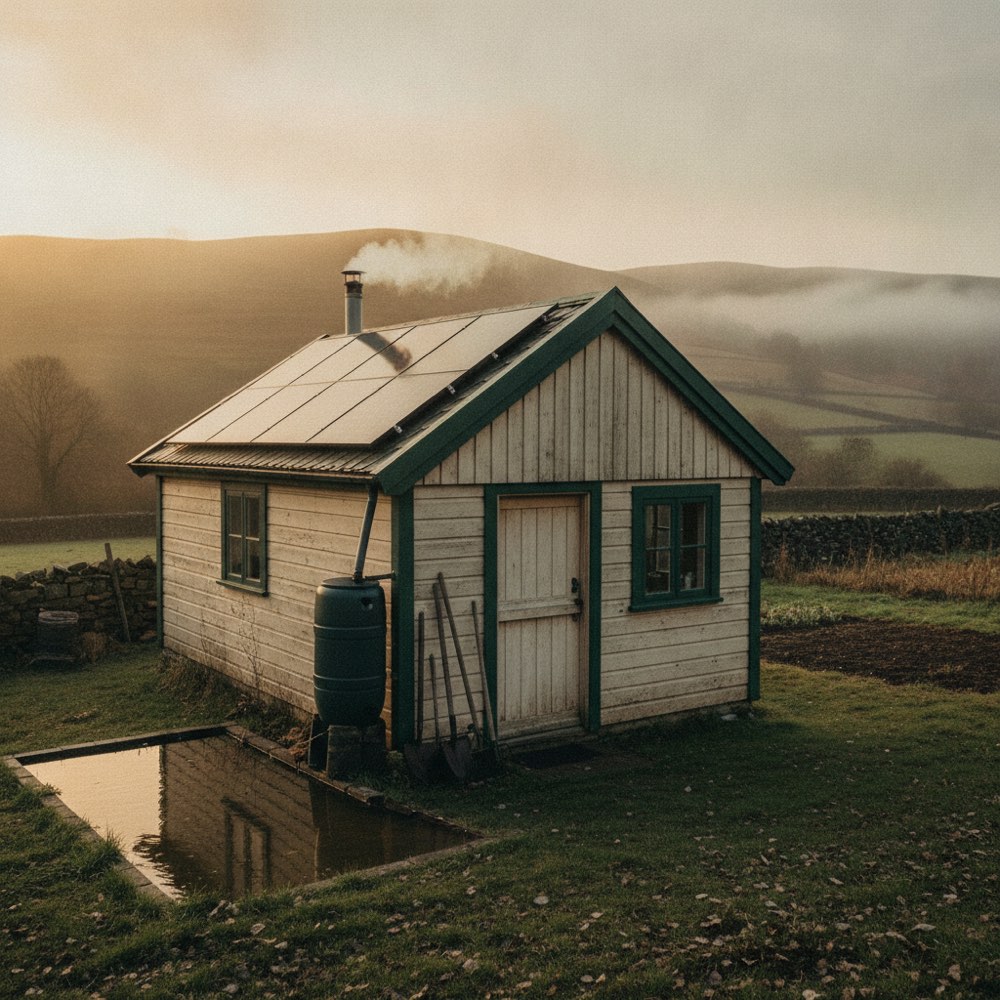
Heating is the pillar that decides UK off grid life, because the British heating season runs half the year and batteries cannot carry it: one electric heater would empty a serious battery bank in an evening. Off grid heat means burning something, wood, LPG, diesel or paraffin, inside the space you sleep in, which is why this guide treats regulations and carbon monoxide safety as part of every option rather than a footnote at the end. The reward for doing it properly is the best heat there is: a stove-warmed cabin or boat in January is a genuinely comfortable place to live.
Insulation first: the cheapest heating system you can buy
Before comparing heaters, shrink the job. Every kilowatt hour of heat that stays inside is one you never have to generate, store fuel for, or ventilate safely, and in small spaces the gains are dramatic.
- Vans and boats have terrible surface-to-volume ratios: a poorly insulated van needs several times the heat input of a well-insulated one for the same comfort, and uninsulated metal surfaces stream with condensation the moment you breathe. Insulate first, heat second is the universal rule of both communities.
- Cabins live or die on their floor and roof insulation, and on draught-proofing around doors and windows.
- Houses going off grid should spend on loft insulation, draught-proofing and curtains before a single appliance upgrade: the stove you then need is smaller and the wood pile lasts longer.
One caution that matters in airtight-chasing times: rooms containing combustion appliances need purpose-made ventilation. Sealing a space completely and then burning fuel inside it is how carbon monoxide incidents happen, so insulation and draught-proofing go hand in hand with fixed vents sized for the appliance, never instead of them.
Wood and solid fuel stoves: the off grid default
For any dwelling with a flue, a wood or multi-fuel stove is the heart of UK off grid heating: fuel you can source and store yourself, heat that works regardless of batteries, and in stove-plus-back-boiler or cook-stove form, hot water and cooking too. It is also the most regulated option, and the rules are real.
The regulations in plain English
- Ecodesign: since January 2022, new solid fuel stoves sold in the UK must meet Ecodesign emissions and efficiency requirements. This applies to the appliance at point of sale; existing installed stoves were not banned.
- Smoke control areas: much of urban Britain sits inside one. There, you may only burn authorised fuels, or use an appliance exempted by Defra for wood burning, and breaches can bring financial penalties. Check your address on Defra's smoke control area resources and the exempt appliance list before buying anything. Rural off grid sites are usually outside these areas, but usually is not a survey.
- Fuel rules: the Air Quality (Domestic Solid Fuels Standards) (England) Regulations 2020 ended sales of traditional house coal and small volumes of wet wood; look for Ready to Burn certified fuel, or season your own logs to below 20 percent moisture and prove it with a moisture meter. Dry wood is also simply better heating: more heat, less creosote, less smoke.
- Installation: stove and flue installation is building-regulations-controlled work (Approved Document J in England), done either by a registered installer under a competent person scheme such as HETAS or with building control sign-off. Regulations also require a carbon monoxide alarm when a solid fuel appliance is installed. Boats have their own code and the Boat Safety Scheme examines solid fuel installations afloat.
Living with one
Budget honest labour: sourcing, splitting, stacking and a year or more of seasoning per load of wood, flue sweeping at least annually, and ash management. Small well-insulated spaces need small stoves; oversizing leads to slumbering fires, which burn dirty and tar the flue. Our off-mains heat, cooking and light guide covers the wider role a stove plays in a resilient home.
LPG heating: instant, controllable, with rules of its own
LPG (propane and butane in bottles) is off grid Britain's second fuel: nearly every van, boat and smallholding cooks on it, and it heats too, with important distinctions between appliance types.
- Flued LPG heaters and boilers draw combustion air from outside and exhaust outside. These are the proper fixed heating option for boats and static homes: the combustion products never share your air.
- Cabinet heaters and other flueless appliances release all combustion products, including water vapour and, if burning poorly, carbon monoxide, into the room. They are legitimate as attended, short-run heat in ventilated spaces, covered alongside other options in our non-electric heater guide, but they are not a sensible primary heating system for a small sealed space you sleep in, and they produce litres of water vapour that become condensation on cold surfaces.
- Catalytic and radiant LPG heaters for leisure vehicles sit in the same flueless category: ventilation requirements and CO alarms are not optional extras.
The practical rules: propane, not butane, for anything outdoors or in winter, because butane stops vaporising near zero degrees; cylinders stored upright, outside or in sealed lockers venting outwards (this is a hard requirement on boats, where LPG is heavier than air and sinks into the bilge); and gas work on dwellings and boats done by registered Gas Safe engineers with the right qualifications for the setting. HSE guidance on gas safety applies to small installations just as it does to houses.
Diesel and paraffin heaters: the van and boat workhorses
The modern blown-air diesel heater has quietly become the standard background heat of van life and a common narrowboat fit. Fuel comes from the vehicle tank or a dedicated one, combustion happens in a sealed chamber with intake and exhaust outside, and a fan pushes warm dry air around the space. Run properly, the combustion air and your living air never meet, which is exactly the property flueless heaters lack.
- Premium names versus budget clones: Eberspacher and Webasto units carry marine and vehicle pedigrees and support; the inexpensive clones that now dominate the market can work adequately, but quality control varies, and the installation, fuel supply, mounting, and above all the exhaust routing and sealing, is where safety is won or lost. A cheap heater installed excellently beats an expensive heater installed badly.
- Altitude, pulse pumps and carbon build-up: diesel heaters like running at medium-high output; constant low idling soots them up. Run them hot periodically.
- Electrical draw: the glow plug at start-up and the fan draw real battery power, a reason they pair well with the LiFePO4 banks in our leisure battery guide.
- Drip-feed and bubble stoves: boats also use drip-feed diesel stoves, flued, silent and electricity-light, a classic liveaboard choice.
- Paraffin: the traditional wick heaters still exist and burn into the room air like a flueless gas heater, with the same ventilation and attendance rules. Treat them as occasional, attended heat, not a system to sleep beside.
Carbon monoxide: the discipline that runs through everything
Every option on this page burns carbon fuel, and every carbon fuel can produce carbon monoxide when combustion is starved of air or the flue gases go where they should not. CO is invisible, has no smell, and kills people in exactly the small, tightly sealed, fuel-heated spaces that off grid Britain lives in. The discipline is short and absolute:
- Alarms, to the right standard. Fit a carbon monoxide alarm certified to BS EN 50291 in every space with a fuel-burning appliance. The standard has two parts: 50291-1 for domestic premises and 50291-2 for boats, caravans and motorhomes, which is tested for the vibration and conditions of mobile use, so boats and vans should fit a 50291-2 alarm. Buy alarms with a sealed long-life battery and a visible end-of-life date, test them on the button regularly, and fit one per sleeping space plus one near the appliance, following the alarm maker's siting instructions. Check price on Amazon
- Ventilation is a design feature, not a leak. Fixed vents sized for the appliance stay open permanently. If a vent makes the space too cold, the answer is more insulation or a different heater, never a blocked vent.
- Flues do the protecting. Sweep solid fuel flues at least annually, check terminals for bird nests and blockages, and watch for the warning signs of poor combustion: lazy orange flames on gas, soot staining, headaches that lift outdoors.
- Engines and generators count too. Generator or engine exhaust near an opening is the classic off grid CO incident. Generators run outdoors, away from doors, windows and vents, every time.
- Alarm sounds: out, air, off. Get everyone outside, ventilate, shut the appliance down, and do not use it again until a competent engineer has found the cause.
Boat dwellers should read the Boat Safety Scheme's CO guidance, and anyone with gas appliances can consult the Gas Safe Register and HSE material cited below. None of this is onerous. It is a one-day setup and a five-minute monthly habit, and it removes the only genuinely lethal risk on this page.
Choosing: which heat for which off grid life
- Cabin or off grid house: a correctly sized Ecodesign wood stove as the primary, installed and signed off properly, with LPG for cooking and a flueless heater kept only as attended backup. Wood is the fuel you can own outright, and a stove needs no electricity at all.
- Narrowboat: the classic pairing is a small solid fuel stove for always-on winter warmth plus a diesel blown-air or drip-feed heater for background and quick heat. LPG stays in the galley. Everything examined under the Boat Safety Scheme, with 50291-2 alarms fitted.
- Van: insulation, then a diesel heater, installed with obsessive care over exhaust sealing, with a CO alarm beside the bed. Flueless gas as the short-run backup only.
- Static caravan or mobile home: flued LPG heating or a small stove where the structure and siting allow, with the same alarm rules.
- Resilient mains home: a stove plus the portable options in our non-electric heater guide cover power cuts without any off grid commitment, and the wider playbook is in heat, cooking and light off the mains.
Two threads run through every row of that list: match the heater to the space and the lifestyle rather than buying the biggest, and let the safety rules shape the install from the start. Heating is where off grid life is won, and it is won with dry wood, sealed flues, open vents and a tested alarm. The full picture of building a life around these systems is in the off grid living UK pillar.
Your questions, answered
What is the best off grid heating option in the UK?
For a fixed dwelling with a flue, a properly installed Ecodesign wood or multi-fuel stove: fuel independence, no electricity requirement and strong heat output. Boats typically pair a small solid fuel stove with a diesel heater, and vans rely on insulation plus a well-installed diesel blown-air heater. Flueless LPG heaters are attended backup heat, not a primary system.
Are wood burning stoves still legal in the UK?
Yes. New stoves sold since January 2022 must meet Ecodesign requirements, and in smoke control areas you must burn authorised fuels or use a Defra-exempt appliance, with penalties for breaches. Wet wood and traditional house coal have been phased out of sale in England under the 2020 domestic solid fuels regulations. Installation is building-regulations work and requires a carbon monoxide alarm.
Can I heat a van or boat with a diesel heater safely?
Yes, when the unit is installed correctly: sealed combustion with intake and exhaust routed outside, joints sealed, fuel lines secure, and a BS EN 50291-2 carbon monoxide alarm fitted near the sleeping area. Installation quality matters more than brand. Run the heater at medium-high output periodically to prevent carbon build-up.
Do flueless gas heaters cause condensation and CO risk?
Flueless LPG appliances release all combustion products into the room, including significant water vapour, which condenses on cold surfaces in vans, boats and cabins, and carbon monoxide if combustion deteriorates. They need permanent ventilation, should only run attended, and are unsuited to being a sealed small space's main heat source. A CO alarm is essential wherever they are used.
What carbon monoxide alarm do I need for off grid living?
An alarm certified to BS EN 50291: part 1 for houses and static dwellings, part 2 for boats, caravans and motorhomes, where the alarm is tested for vibration and mobile conditions. Choose sealed long-life battery models, fit one in each sleeping space and near each appliance per the maker's siting instructions, and test monthly.
Can you live off grid without a wood burner?
Yes: flued LPG heating, diesel heaters and drip-feed diesel stoves all heat off grid homes, boats and vehicles without solid fuel, and some well-insulated small spaces need remarkably little heat at all. What you cannot realistically do is heat off grid with electricity, because battery storage cannot carry a UK heating season.
Do I need planning permission or sign-off to install a stove off grid?
Installing a stove and flue in a dwelling is controlled building work under Approved Document J in England, so it needs either a registered competent-person installer, HETAS being the best known scheme, or building control approval, plus a CO alarm. External flues can have planning implications in some settings. Boats follow the Boat Safety Scheme requirements instead.
Sources
- GOV.UK: smoke control areas, the rules
- Defra: exempt appliances for smoke control areas
- The Air Quality (Domestic Solid Fuels Standards) (England) Regulations 2020
- GOV.UK: Approved Document J, combustion appliances and fuel storage systems
- Boat Safety Scheme: carbon monoxide safety on boats
- HSE: gas safety in the home and at work
- Gas Safe Register: carbon monoxide alarms guidance