Cheap Long Life Food to Stockpile UK: Best Value Staples
Last updated: 21 October 2026
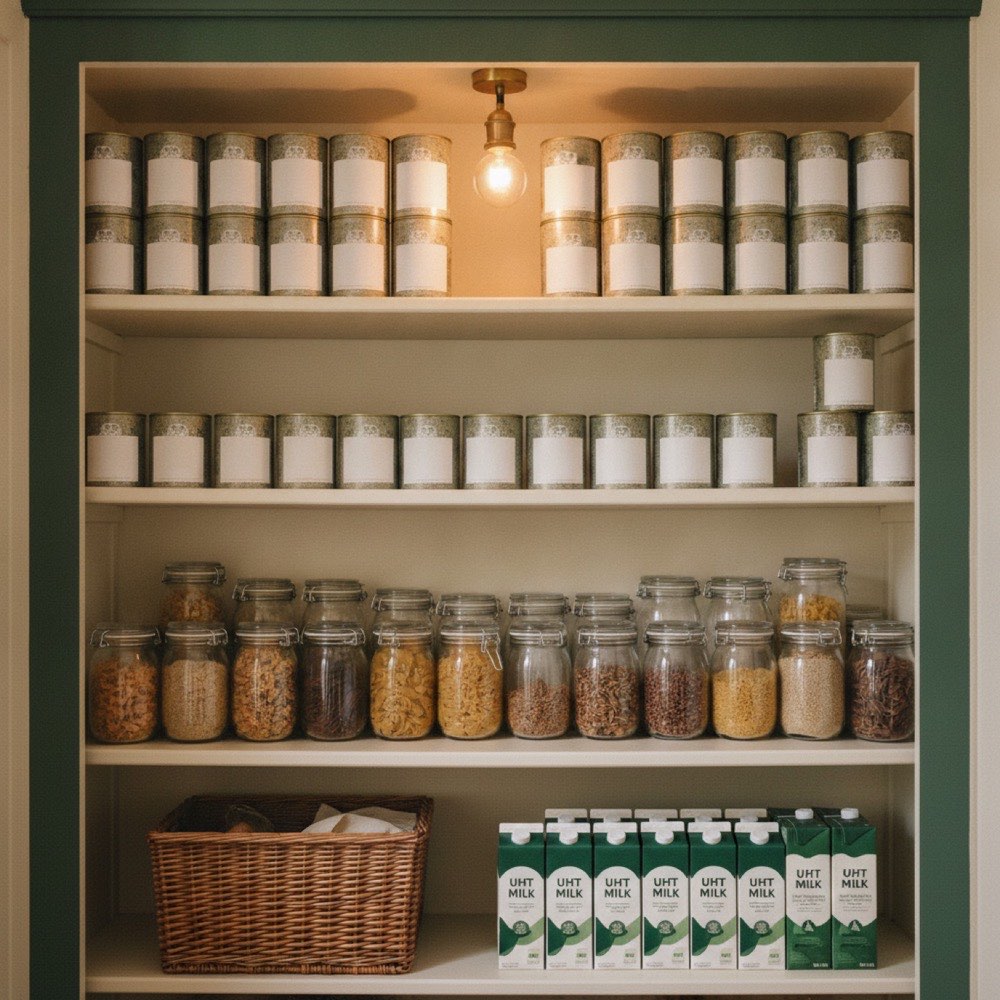
<p>The cheapest emergency food in the UK is not sold as emergency food. Supermarket own brand staples beat branded survival products on cost per calorie by an enormous margin, and they rotate through normal cooking so nothing is wasted. This guide ranks the best value long life foods by the reasoning that matters, calories and protein for the money, shelf life, and how little preparation they need, without chasing price figures that change weekly. Prices move; the rankings below barely do.</p>
How to judge value: cost per calorie, not cost per tin
The only fair way to compare stockpile foods is what a day of energy costs, roughly 2,000 calories per adult. Judged that way, the supermarket aisles sort themselves into clear tiers:
- Dried staples (oats, rice, pasta, flour, lentils) are the undisputed value tier. Bought as own brand large bags, a full day of calories from this tier costs less than a single branded meal replacement bar, and often less than a tenth of a day of freeze dried pouches.
- Tinned basics (beans, tomatoes, soup, vegetables) cost several times more per calorie than dried staples but need little or no cooking and bring variety.
- Tinned protein (fish, meat) is the most expensive supermarket tier per calorie, but you buy it for protein, not energy.
- Branded survival food (freeze dried pouches, ration packs) typically costs ten to thirty times more per calorie than dried staples. It earns its place only through extreme shelf life and zero prep, which is why it belongs as a small top layer, not the base.
Build the base from tier one, the flavour and protein from tiers two and three, and keep tier four to a shoebox. The full construction method is in how to build an emergency food supply.
The best value dried staples to stockpile
Ranked by calories for the money, with their practical quirks:
- Porridge oats: the single best value long life food in a UK supermarket. Dense in energy, eighteen months or more of shelf life, and edible with just hot water or cold soaked at a pinch. Own brand bags are consistently among the lowest cost calories on any shelf.
- White rice: similar energy density, and white rice stores far longer than brown because brown rice's oils go rancid within a year or so; white keeps for years in sealed containers. Needs water and heat to be worth eating, so it leans on your stored water and cooking plan.
- Pasta: marginally behind rice on value, ahead of it on familiarity. Two to three year best before dates are typical.
- Flour: excellent value but the least useful in an outage, since it needs baking. Plain white keeps a year or more; wholemeal shorter.
- Dried lentils and split peas: the cheapest protein in the shop by a wide margin, with multi year shelf lives. Red lentils cook fastest and need no soaking, which matters when fuel is limited.
- Sugar and honey: effectively indefinite shelf lives. Sugar is pure cheap energy; honey recrystallises but never spoils if kept sealed and dry.
Storage note for all of this tier: decant opened bags into sealed containers or use food grade buckets, keep them cool and dry, and the dates become comfortably conservative.
Best value tinned food for a UK stockpile
Tins cost more per calorie than dried goods but remove the cooking dependency, which is exactly what you want in the first days of a disruption. The value order within the tinned aisle:
- Baked beans: the UK's default for a reason: energy, protein and fibre in one ring pull tin, edible cold, with best before dates two to three years out. Own brand versions sit far below branded on price with near identical nutrition.
- Tinned soup and tinned pasta meals: middling value per calorie but zero prep and high morale. Choose the ones you genuinely eat.
- Tinned tomatoes: cheap, versatile, and the backbone of turning dried staples into meals.
- Tinned vegetables and potatoes: low cost per tin and they stretch other dishes; potatoes in water are an underrated no cook carbohydrate.
- Tinned fruit: one of the cheapest long life morale foods, plus vitamin C the rest of the stockpile lacks.
- Tinned fish and meat: the priciest tier per calorie but the point is protein. Own brand sardines and mackerel are the best protein value in the aisle, typically undercutting tuna. Corned beef and ham cost more; buy them for variety rather than value.
Rule of thumb across every category above: the own brand version delivers the same calories for a third to a half of the branded shelf neighbour. The stockpile does not care about labels.
Cheap long life extras that make it all edible
A stockpile of plain staples fails in practice because nobody wants to eat it. These low cost items turn calories into meals:
- UHT milk: months of shelf life, makes oats worth eating, and own brand UHT is markedly cheaper than fresh equivalents per litre kept usable.
- Stock cubes, salt, dried herbs, curry powder: pennies per meal flavoured, years of shelf life, and the difference between food and rations.
- Cooking oil: the densest calories in the entire shop, roughly double the energy per weight of sugar. A sealed bottle keeps a year or more; buy the plain vegetable or rapeseed own brand.
- Instant coffee, tea bags, drinking chocolate: cheap, long dated and disproportionate for morale during a dull week.
- Peanut butter: energy dense, protein bearing, no cooking, long dated. One of the best value no cook foods in the UK.
- Crackers and crispbread: the long life bread substitute; crispbread in particular carries best before dates many months out.
What about dedicated survival food? When it earns its cost
Branded emergency food loses on cost per calorie to every supermarket tier above, so be selective about where it genuinely earns a slot:
- Compressed ration bars (Katadyn NRG-5 and similar, around 2,300 calories per 500g pack) win on density and manufacturer stated multi year shelf lives. They make sense as the untouched deep reserve and as grab bag calories, bought once and dated. If you buy them, buy the multi pack box rather than single packs, since the value gap narrows in bulk: Check price on Amazon
- Freeze dried pouches are the pleasant to eat option with five to ten year manufacturer stated shelf lives, but they are the most expensive calories in this entire comparison and need boiling water. A handful for variety is reasonable; a cupboard of them is poor value next to the same money in oats, rice and tins.
Verify shelf life claims on the manufacturer's packaging text, not marketplace listing titles, and treat anything without a stated date as short dated.
A cheap two week stockpile: what the money goes on
Using the tiers above, the budget version of a two week, two adult supply (the worked menu is in the build guide) allocates roughly like this:
- About half the spend on tier two and three tins: beans, tomatoes, soup, vegetables, fruit, fish. This is where most of the money goes because tins carry the no cook burden.
- About a quarter on dried staples: oats, rice, pasta, lentils. This quarter delivers well over half the calories.
- The rest on UHT milk, oil, flavourings and no cook snacks.
Two consequences of that arithmetic: upgrading the dried staples tier to double depth costs very little, so when in doubt, deepen the cheap tier; and the fastest way to overspend is buying branded tins and survival pouches, the two lowest value categories per calorie. Pair the food with stored water, since oats, rice and lentils all consume it: see how to store water long term, and slot both into the wider emergency kit list.
Keeping cheap food cheap: storage and rotation
Value is only real if nothing gets binned:
- Store everything cool, dry and dark; damp garages rust tins and spoil paper bagged staples faster than any date suggests.
- Shelve front to back and cook from the front, so the stockpile is just a deeper version of your normal cupboard.
- Remember best before is a quality marker, not a safety cut off, for tins and dried goods; rotate on dates at the spring and autumn clock changes and the question never arises.
- Buy large formats of staples (bigger bags of rice, oats and pasta carry lower cost per kilo) but only up to what you can store sealed and will rotate within the date.
Built this way, the whole supply costs less than most households spend on takeaways in a month, and it is all food you were going to eat anyway.
Your questions, answered
What is the cheapest food to stockpile in the UK?
Per calorie, own brand porridge oats, white rice, pasta, flour and red lentils are the cheapest long life foods in UK supermarkets, followed by cooking oil and sugar. Tins cost more per calorie but need no cooking; branded survival food is the most expensive option by a factor of ten or more.
What long life food lasts the longest?
Sugar, honey and salt keep effectively indefinitely if dry and sealed. White rice, dried lentils and pasta last years. Most tins carry best before dates of one to five years and commonly remain safe beyond them if undamaged. Dedicated ration bars state multi year shelf lives on the packaging.
Is own brand food as good for stockpiling as branded?
For staples and basic tins, yes: the nutrition per tin or per kilo is near identical while the cost is a third to a half of branded equivalents. Stockpile value lives almost entirely in the own brand and value ranges.
What cheap foods need no cooking at all?
Baked beans, tinned fish, tinned fruit, tinned potatoes, peanut butter, crackers, cereal bars, nuts, dried fruit and UHT milk all work with zero heat. Build the first three days of any supply from this list, since a power cut is the most likely scenario it serves.
Are ration packs or freeze dried meals worth buying?
Only as a small top layer. Compressed ration bars earn a place as dense grab bag and deep reserve calories; freeze dried pouches add pleasant variety but are the most expensive calories in the comparison and need boiling water. The base of the supply should always be supermarket staples.
How do I stockpile food cheaply without wasting money?
Buy only food you already eat, add a few items to each weekly shop rather than one big haul, favour own brand and larger bags of dried staples, shelve front to back, and rotate at the clock changes. Waste, not purchase price, is what makes stockpiles expensive.