What to Put in a Grab Bag UK: The Complete Packing List
Last updated: 21 October 2026
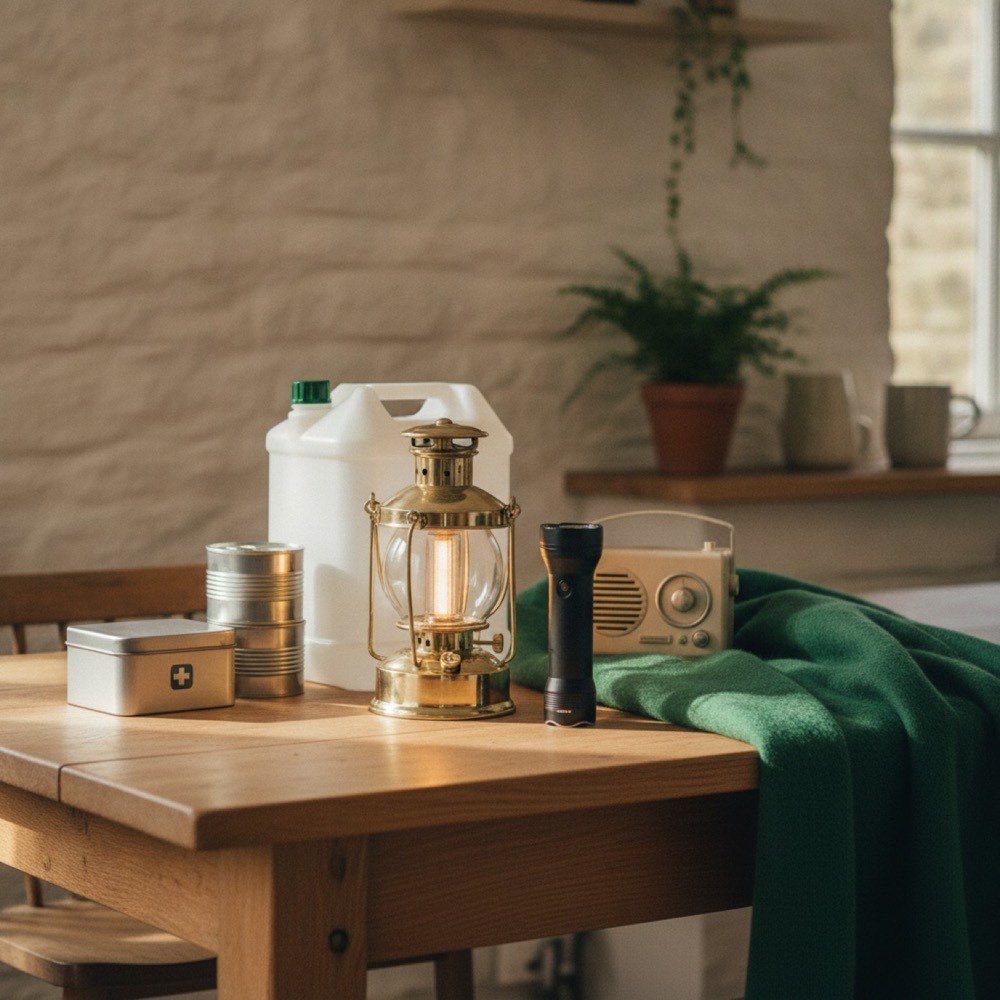
<p>This is the complete packing list for a UK grab bag: every item, the reason it earns its place, and how to adjust for children, older relatives and pets. It expands the gov.uk Prepare campaign's official short list into something you can pack from directly in one evening. If you are still deciding between packing your own bag and buying a ready made kit, start with our <a href="/emergency-grab-bag-uk/">emergency grab bag guide</a>, which covers the concept and the buying decision; this page assumes you are packing, and lists what goes in.</p>
The official gov.uk grab bag list, and what this guide adds
The Prepare campaign's grab bag guidance is the right skeleton: a rucksack with copies of key documents, some cash, medicines, a phone charger, a torch, bottled water, snacks and a change of clothes, one household bag plus each person's own medication and documents. Its companion home kit list adds a power bank, radio, spare batteries, first aid kit and sanitiser.
What follows keeps that skeleton and adds the detail official lists leave out: quantities, the reasons behind each item, what packs them well, and the per person adjustments. Items are grouped so you can pack a category at a time, and the whole list fits a 30 to 40 litre rucksack per household plus a small personal pouch each.
Documents, cash and admin: the items people regret forgetting
In real evacuations this category matters more than any gadget, because it is what reconnects you to your normal life afterwards:
- Copies of key documents in a waterproof pouch: passports or photo ID, insurance policies with the claim line numbers, bank details, tenancy or mortgage reference, birth certificates, pet microchip numbers. Photocopies or a USB stick both work; copies, never the originals, live in the bag.
- A paper list of important phone numbers: family, your energy network's 105 power cut line, insurer, GP, vet. Prepare specifically recommends paper because phones die and nobody memorises numbers any more.
- Cash in small notes and coins. Local power cuts take card machines and ATMs with them. Enough for taxis, food and a night's contingency.
- Spare house and car keys, so a locked door never depends on the set you grabbed, and a pen and notepad.
Medication and health: pack this category first
The single most common serious problem in UK evacuations is people separated from their medication:
- A week of essential prescription medication where supply allows, rotated when you collect each new prescription, plus a written copy of prescriptions and doses so any pharmacy can help you re supply.
- A genuine first aid kit: wound dressings, bandages, tape, antiseptic, scissors and tweezers, not just plasters. Add painkillers, any antihistamines you use, and plasters for blisters.
- Spare glasses or contact lenses and solution, hearing aid batteries, and spares for anything worn daily.
- Hygiene minimum: toothbrush and paste, soap, hand sanitiser, wet wipes, sanitary products, a small towel, toilet roll flattened into a bag. Wipes are the most used item in the whole bag in practice.
Light, power and communication
The technical core of the bag, and where quality matters most:
- A torch per adult, either wind up or LED with spare batteries stored separately so they cannot drain in the torch. Add a headtorch if you have one: evacuating with hands occupied is the norm, not the exception.
- A charged power bank and cables for every phone type in the household, checked and recharged twice a year. A phone is your map, your flood warnings, your banking and your family contact in one device.
- A wind up or battery radio for local information if mobile networks are congested or down; many wind up models double as a torch and phone charger.
- A whistle per bag: the lowest tech attention signal there is, and recommended across UK resilience guidance.
Households that want more charging depth than a power bank can keep a compact power station by the door; it serves the grab bag in a car evacuation and the stay at home kit in an outage. The under £500 options are compared in our budget portable power stations guide, with a high capacity dedicated power bank as the middle option: Check price on Amazon
Water, food, warmth and clothing
The comfort and resilience layer, sized for roughly 72 hours away from home:
- Water: at least one filled 750ml to 1 litre bottle per person, plus a pack of purification tablets as backup. Water is heavy, so the bag carries a working amount, not a reserve; your stored reserve stays at home, per how to store water long term.
- No cook food: cereal bars, nuts, dried fruit, chocolate, or compressed ration bars which pack the most calories per gram and carry multi year dates: Check price on Amazon. Enough for two to three days per person, dated and checked yearly.
- Warmth: a foil blanket per person at minimum, foil sleeping bags if you have the space, plus a wool or fleece hat and gloves per person. Cold is the fastest comfort failure in a UK evacuation, even in summer rain.
- One change of clothes per person in a dry bag or bin liner: underwear, socks, a warm layer. Sensible flat shoes by or in the bag if you tend to be in slippers or heels at home, a specific recommendation in several UK local resilience forum lists.
- A lightweight waterproof per person, packable kind, since the most likely UK evacuation trigger is flooding, which arrives with weather.
Per person adjustments: children, older adults, pets
The base list above is per household plus a personal pouch each. Adjust it like this:
- Babies and toddlers: nappies, wipes, formula and sterilised bottles or feeding kit, a full change of clothes, and the comfort item that makes everything else manageable. Recalculate quantities every few months because this category dates fastest.
- Older children: their own small rucksack with a torch, snacks, water, warm layer and something to do; a card with your phone numbers and an agreed meeting point in a pocket.
- Older adults: double down on medication, prescriptions and mobility: spare walking stick if one exists, hearing aid batteries, glasses, and copies of care plans or medical summaries.
- Pets: lead and carrier, three days of food, a water bowl, any medication, vaccination record copies and the microchip number. Rest centres increasingly accept pets, but only controlled ones.
- Medical equipment users: anyone dependent on powered equipment should hold the power to run it and be registered on their energy network's Priority Services Register, which is covered in how to prepare for a power cut.
Packing, storing and maintaining the bag
Details that decide how the bag performs when used:
- The bag itself: a 30 to 40 litre rucksack per household beats a holdall because it leaves both hands usable. Any sound rucksack you own already qualifies; spend on contents before luggage.
- Pack in category pouches or zip bags (documents, health, power, food) so items are findable in the dark and checkable at a glance. Heavy items sit close to your back.
- Waterproof the inside with a bin liner or dry bags rather than trusting the rucksack fabric.
- Store it on the exit route, hall or understairs cupboard, with household agreement on the spot.
- Maintain twice a year at the clock changes alongside your water and food rotation: recharge the power bank, check ration and medication dates, resize children's clothing, re verify the document copies.
If assembling all this from scratch is the blocker, a UK assembled ready made kit covers the generic hardware in one order, Check price on Amazon, and our best emergency go bags roundup compares the options honestly. Either way, the personal categories above, documents, medication, cash, still come from you, and the finished bag slots into the wider emergency kit list.
Your questions, answered
What should be in a UK grab bag?
Copies of key documents, a paper list of phone numbers, cash, a week of essential medication with prescription copies, first aid kit, torch and spare batteries, charged power bank, wind up or battery radio, whistle, bottled water, no cook snacks, foil blankets, a change of clothes and a waterproof, plus personal items per household member.
How much water and food goes in a grab bag?
Around one litre of carried water per person plus purification tablets, and two to three days of no cook food such as cereal bars, nuts or compressed ration bars. The bag covers roughly 72 hours; the deeper reserve stays at home.
What documents should I put in a grab bag?
Copies, not originals: photo ID or passport pages, insurance policies and claim numbers, bank details, tenancy or mortgage reference, prescriptions, pet microchip numbers, and a written list of key phone numbers including the 105 power cut line, all in a waterproof pouch or on a USB stick.
What size bag should a grab bag be?
A 30 to 40 litre rucksack comfortably holds a household base kit plus personal pouches, and keeps both hands usable. Holdalls work for car based evacuation but carry poorly on foot.
How often should I check my grab bag?
Twice a year, at the clock changes: recharge the power bank, check food, water and medication dates, resize children's clothing, and re verify documents and cash. Ten minutes per check keeps the bag genuinely ready.
Do I need a grab bag for each person?
One household bag plus a small personal pouch per person is the standard pattern, matching gov.uk guidance. Older children benefit from their own light rucksack, and anyone with daily medication should carry their own supply and prescription copy.
What goes in a grab bag for pets?
Lead and carrier, around three days of food, a bowl, any medication, copies of vaccination records and the microchip number. An evacuated pet without a lead or carrier is the problem you can solve for pennies now.